Towing in the snow requires more than slowing down. Prepare your Chevrolet and trailer before you leave, use the right drivetrain and towing settings, keep extra following distance, and make steering, braking, and acceleration inputs smoothly to maintain control on snow and ice. Proper trailer loading, functioning brakes, appropriate tires, and careful driving can make winter towing safer when conditions change.
Northwest Chevy Dealers is here to help with your Chevrolet needs, from finding the right vehicle for your towing requirements to keeping it ready for winter driving. Our dealerships serving Portland, Beaverton, Gresham, and Hillsboro, OR, offer sales, service, parts, and more, so give us a call or visit us today for assistance.
What Should You Check Before Towing in the Snow?
Safe towing in the Pacific Northwest starts before you pull out of the driveway. Before towing in the snow, inspect both your Chevrolet and trailer, confirm your equipment is ready, and prepare for conditions that can shift from wet pavement to packed snow or ice.
Start With Your Tires and Equipment
Check the tire condition and pressure on both the tow vehicle and trailer. If winter tires are appropriate for your route, look for options bearing the three-peak mountain snowflake symbol. Carry proper tire chains when conditions or local requirements call for them.
Before heading out, check:
- Trailer brakes, lights, hitch, and safety connections
- Fuel level and cold-weather windshield washer fluid
- Snow and ice buildup on windows, mirrors, lights, roof, and trailer
- Emergency supplies, including a shovel, traction mats or kitty litter, blankets, flashlight, first-aid kit, and jumper cables
A properly prepared Chevrolet Silverado 1500 or Chevrolet Silverado 2500 HD can provide a strong foundation for winter towing, but preparation remains essential. If you are considering a Chevy for towing needs, contact Northwest Chevy Dealers to discuss your options and find equipment suited to your driving conditions.
How Can You Tow Safely on Snow and Ice?
Towing safely in winter starts with giving yourself more time and space. When towing in the snow, slow down, leave at least 6 to 8 seconds of following distance, and use gentle steering, braking, and acceleration to help maintain control when traction is limited.
Give Yourself More Room
A trailer adds weight and momentum, making sudden stops and quick maneuvers more difficult. Keep these winter towing tips in mind:
- Reduce your speed well below normal dry-road speeds.
- Leave extra space between your vehicle and the traffic ahead.
- Avoid cruise control on snowy or icy pavement.
- Brake before entering a curve, then steer smoothly through it.
- Avoid sudden lane changes, sharp turns, or hard acceleration.
- If your vehicle has 4WD or AWD, use it when appropriate, but remember that added traction does not eliminate the need for caution.
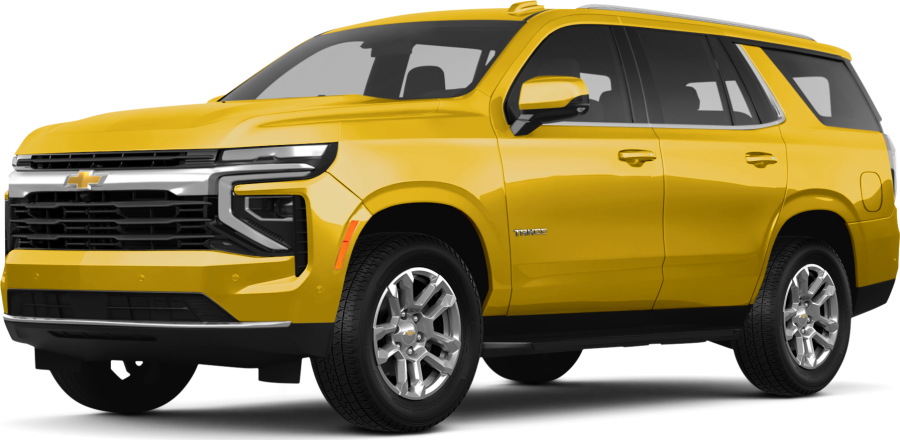
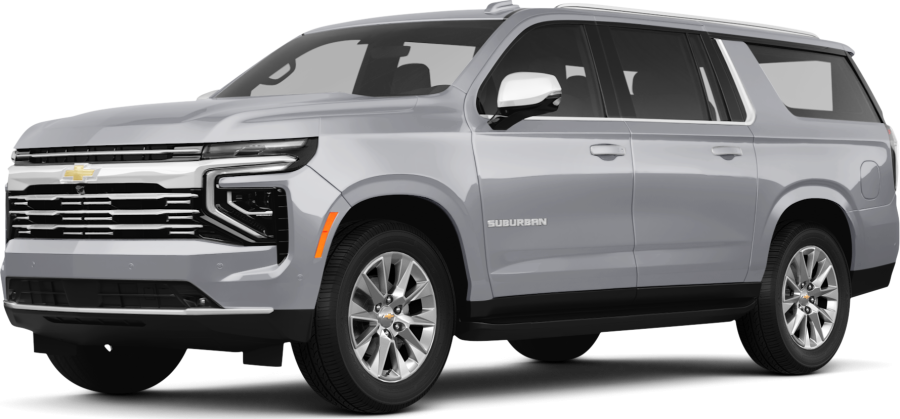
A Chevrolet Tahoe or Chevrolet Suburban can provide the traction and towing capability needed for properly matched trailers, but winter road conditions still demand careful driving. If you are preparing for winter towing, contact Northwest Chevy Dealers to discuss your Chevrolet options and find a vehicle suited to your needs.
When Should You Use 4WD, AWD, or Tow/Haul Mode?
The right drivetrain setting can make a noticeable difference when roads turn snowy or slippery. Use 4WD or AWD when conditions call for additional traction, and select Tow/Haul Mode when pulling a trailer to help manage its added weight, particularly on grades.
Match the Setting to the Conditions
Your vehicle's controls can help you maintain better control, but they do not replace slower speeds and careful driving. Keep these points in mind:
- 4WD: Use when additional traction is needed on snow-covered or slippery roads, following your vehicle's operating instructions.
- AWD: Helps distribute power between the wheels and can be useful when traction varies across the road surface.
- Tow/Haul Mode: Adjusts transmission shift points and can provide more engine braking, helping manage the load when towing, especially on hills and descents.
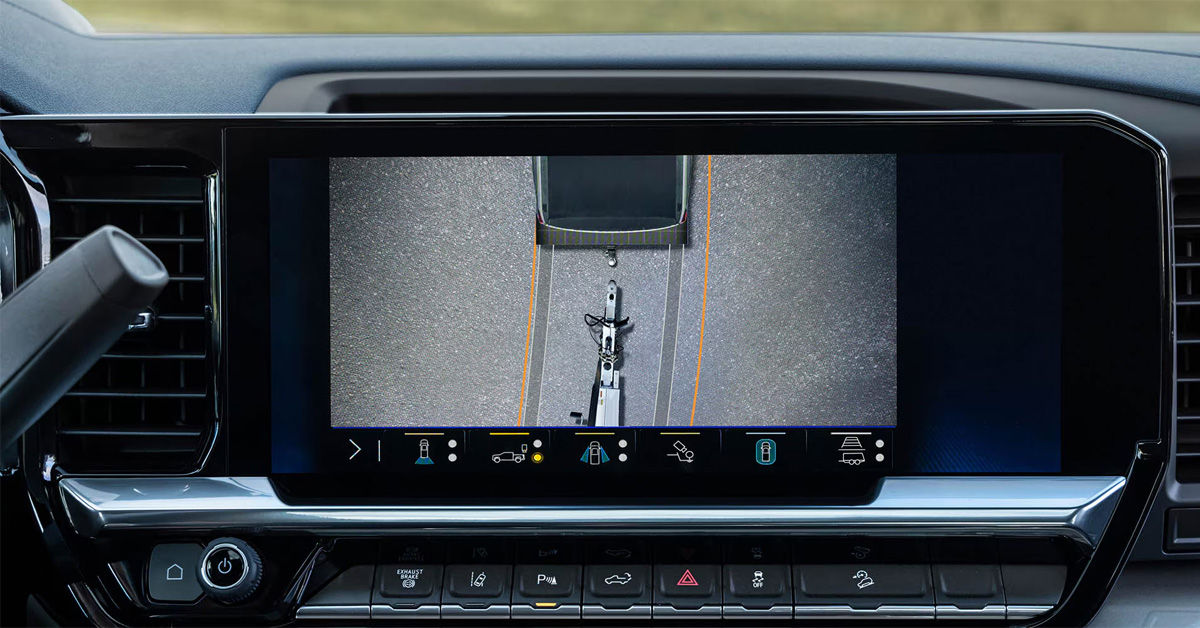
Available Chevrolet trailering technology can further support drivers by making towing easier to manage. A well-equipped Chevrolet Silverado 1500 can handle many towing needs, while the Chevrolet Silverado 2500 HD offers greater capability for heavier loads. These features assist the driver, but they cannot compensate for excessive speed or hazardous road conditions.
If you're comparing Chevy trucks for winter towing, our team at Northwest Chevy Dealers can help you find the right configuration for your trailer and driving needs.
How Can You Reduce Trailer Sway on Icy Roads?
Proper trailer setup is one of the most important winter towing tips for maintaining stability when roads become slick. Snow, ice, crosswinds, and uneven pavement can make a trailer more difficult to control, so a balanced load and properly functioning equipment are essential.
Keep Your Trailer Stable
A few key checks can help reduce the risk of trailer sway in winter conditions:
- Distribute the load properly: Keep cargo balanced according to the trailer manufacturer's recommendations, and avoid placing too much weight toward the rear.
- Consider a weight distribution hitch: When appropriate for your setup, this equipment can help distribute the trailer's weight across the tow vehicle and trailer axles.
- Check the trailer brakes: Make sure they are working properly and synchronized with the tow vehicle.
- Use the trailer brake controller: Adjust it appropriately for the load and understand how to use the manual override if sway begins, following the manufacturer's instructions.
- Stay smooth if sway occurs: Avoid sudden steering or hard braking, which can make the situation worse. Maintain control and allow the trailer to settle.
A Chevrolet Tahoe can provide capable towing for a properly matched trailer, but the trailer setup remains equally important. When you're getting your Chevy ready for winter travel, the team at Northwest Chevy Dealers can help you evaluate your towing needs and available equipment.
How Should You Handle Hills, Curves, and Changing Road Conditions?
Winter roads rarely stay consistent for long. A route that begins with wet pavement can quickly turn into packed snow or ice, particularly around shaded stretches, bridges, and elevated roadways. When towing with a Chevrolet Silverado 2500 HD, paying close attention to these changes is essential for safe towing in the Pacific Northwest.
Plan for the Road Ahead
Different situations call for different techniques when you're towing:
- Snowy grades: Build steady momentum before climbing rather than trying to accelerate aggressively once you're on the incline.
- Downhill stretches: Maintain a controlled speed and leave additional room for braking. Avoid relying solely on the brakes to manage your speed.
- Curves and intersections: Slow down before entering a curve, ramp, or intersection where ice may be present, then make smooth steering inputs.
- Changing surfaces: Be prepared for transitions between clear pavement, slush, packed snow, and ice. Black ice can be especially difficult to spot.
- Severe conditions: If visibility or traction deteriorates to the point that you cannot maintain control, postponing the trip may be the safest decision.
The Silverado 2500 HD can provide the capability needed for many heavier towing applications, but no truck can overcome hazardous road conditions. When you're considering a Chevrolet for winter towing, visit us at Northwest Chevy Dealers and talk with our team about finding a setup that fits your towing needs.
Should Your Chevy Have Extra Towing Capacity for Winter Conditions?
Winter towing can put more demands on your vehicle than a dry-weather trip. Snow, steep grades, and reduced traction can make a heavy trailer more difficult to manage, which is why choosing a tow vehicle with appropriate capacity matters before you set out.
Give Yourself the Right Capacity
Start with the trailer's actual loaded weight, not just its empty weight. Passengers, cargo, tongue weight, and additional towing equipment all contribute to the demands placed on your vehicle. Your Chevrolet's engine, drivetrain, configuration, axle ratio, and trailering equipment can also affect its towing capability.
For example, the Chevrolet Silverado 1500 can suit lighter towing needs, while the Chevrolet Silverado 2500 HD provides a stronger option when your trailer and cargo require greater capacity. Having some appropriate capacity margin can also be helpful when winter conditions add extra challenges.
Before towing, check the specific ratings for your vehicle and trailer, including maximum trailer weight and tongue weight. If you're comparing Chevrolet trucks for winter towing, visit us at Northwest Chevy Dealers and let our team help you find a configuration that matches your trailer and driving needs.
Which Chevrolet Vehicles Are Suitable for Winter Towing?
Once you've considered winter road conditions and your trailer's requirements, the next step is finding a Chevrolet that fits the job. Different vehicles offer different combinations of towing capability, passenger space, cargo room, and available equipment.
Match the Vehicle to Your Towing Needs
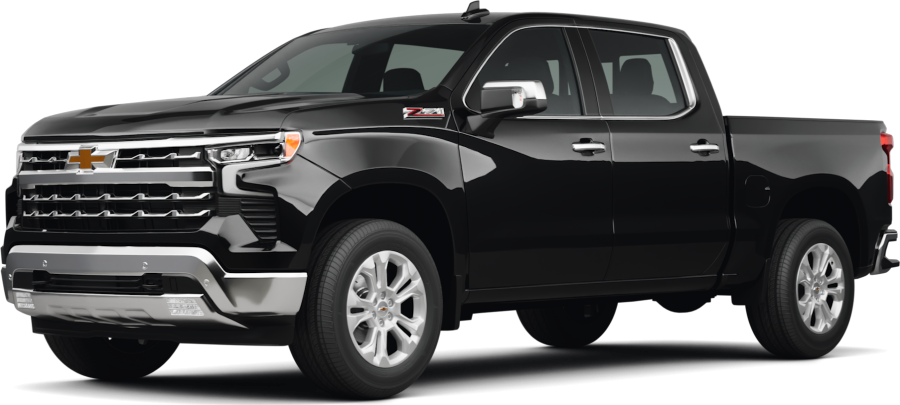
- Chevrolet Silverado 1500: Its range of configurations makes it a versatile choice for lighter and moderate towing applications when the trailer is properly matched to the truck.
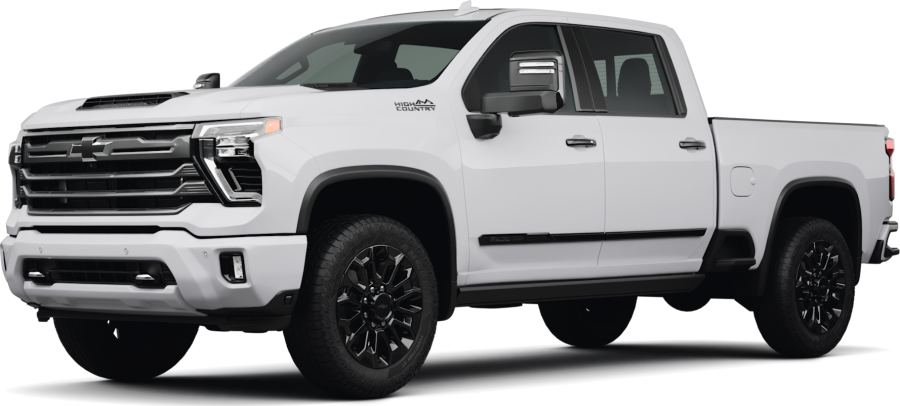
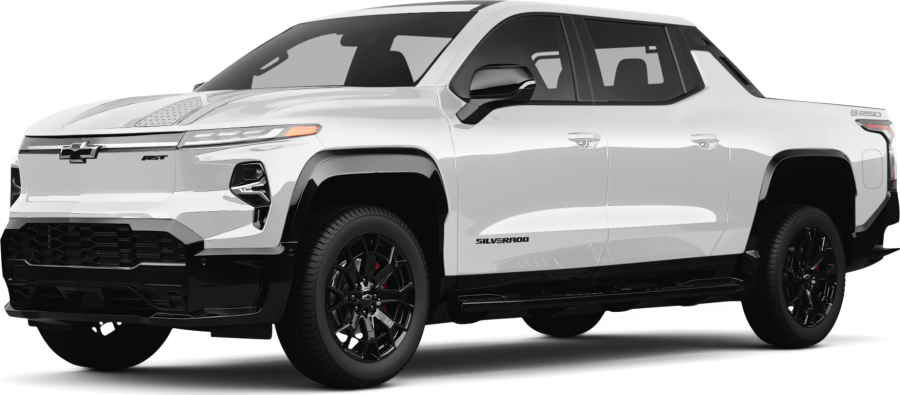
- Chevrolet Silverado 2500 HD: When your plans involve heavier trailers or more demanding loads, the Silverado 2500 HD offers greater capability for those applications.
- Chevrolet Tahoe: With towing capability alongside generous passenger and cargo space, the Tahoe can work well for families who need one vehicle for both winter travel and towing.
- Chevrolet Suburban: The Suburban adds even more room for passengers and cargo while maintaining useful towing capability, making it a practical option for larger groups and longer trips.
Available Chevrolet trailering technology can also help make towing more manageable, but exact capability depends on the vehicle's engine, drivetrain, configuration, and equipment.
If you're comparing options for winter towing, visit us at Northwest Chevy Dealers, serving Portland, Beaverton, Gresham, and Hillsboro, OR, and let our team help you find a Chevrolet that fits your towing needs.
How should I prepare my truck and trailer for towing in snow?
Check tire condition and pressure, use appropriate winter tires and tire chains when needed, inspect the trailer brakes, lights, hitch, and safety connections, clear snow and ice, check fuel and fluids, and carry an emergency kit.
How does 4WD help when towing in winter weather?
4WD helps distribute power to the wheels for additional traction on snow-covered or slippery roads, but it does not eliminate the need for slower speeds and careful driving.
What Chevrolet trailering features help in snowy conditions?
Tow/Haul Mode adjusts transmission shift points and can provide more engine braking, while available Chevrolet trailering technology can help make towing easier to manage.
How should I adjust speed and braking when towing on icy roads?
Reduce your speed, leave at least 6 to 8 seconds of following distance, brake before curves when possible, and use smooth, gradual steering, braking, and acceleration.
Which Chevrolet trucks and SUVs are best for winter towing?
The Chevrolet Silverado 1500 suits lighter and moderate towing, while the Chevrolet Silverado 2500 HD offers greater capability for heavier applications. The Chevrolet Tahoe and Chevrolet Suburban combine towing capability with passenger and cargo space. Exact capability varies by configuration and equipment.
Find Your Next Chevrolet at Northwest Chevy Dealers
Winter towing is easier when your vehicle, trailer, and equipment match the conditions ahead. Northwest Chevy Dealers offers a wide selection of Chevrolet vehicles for different towing and travel needs, including the Chevrolet Silverado 1500, Chevrolet Silverado 2500 HD, Chevrolet Tahoe, and Chevrolet Suburban.
Your plans may extend well beyond winter, too. If you're preparing for outdoor adventures, our guide to the best trucks for trail season can help you compare options for your next trip. Planning a longer drive? You can also see our recommendations for the best road-trip cars or learn more about trucks with the best mileage when fuel efficiency is a priority.
Visit Northwest Chevy Dealers serving Portland, Beaverton, Gresham, and Hillsboro, OR, to explore our Chevrolet selection and talk with our team about finding a vehicle that fits your towing, travel, and everyday driving needs.
Contact Northwest Chevy Dealers
Disclaimer: All information is provided for general informational and entertainment purposes only. While we strive for accuracy, we cannot guarantee that all content is complete, current, or error-free. Any reliance you place on such information is strictly at your own risk. This article may include opinions and is not endorsed by, or officially affiliated with, any vehicle manufacturer or brand. Always consult official sources – such as the vehicle’s owner’s manual, authorized dealerships, or certified professionals – for the most up-to-date and personalized information.