Chevy’s 4WD system uses a transfer case to send engine power to both the front and rear axles, helping improve traction on challenging terrain. Drivers can select appropriate 4WD modes for conditions such as mud, snow, gravel, steep grades, and off-road driving, while components like the front-axle actuator and wheel speed sensors help the system operate effectively.
If you’re considering a Chevy with 4WD, Northwest Chevy Dealers can help you find the right fit. With 17 Chevrolet dealerships throughout the Pacific Northwest, our team is here to assist with vehicle sales, service, parts, and more. Reach out today to get started.
How Does Chevy 4WD Work?
At its core, Chevy 4WD connects the front and rear axles so the vehicle can put power to all four wheels when extra traction is needed. The driver selects the appropriate setting through the vehicle's controls, allowing the Chevy drivetrain to adapt to changing terrain rather than relying on two-wheel drive alone.
How Does Power Reach All Four Wheels?
The system uses a transfer case to direct engine power toward both the front and rear axles when 4WD is engaged. This connection helps the wheels work together on surfaces where maintaining traction can be more difficult.
In everyday driving, two-wheel drive is typically used on paved roads. When conditions become more demanding, Chevrolet's four-wheel drive can provide the added traction needed for:
- Mud and loose dirt
- Deep or packed snow
- Gravel roads
- Steep or uneven terrain
- Off-road trails
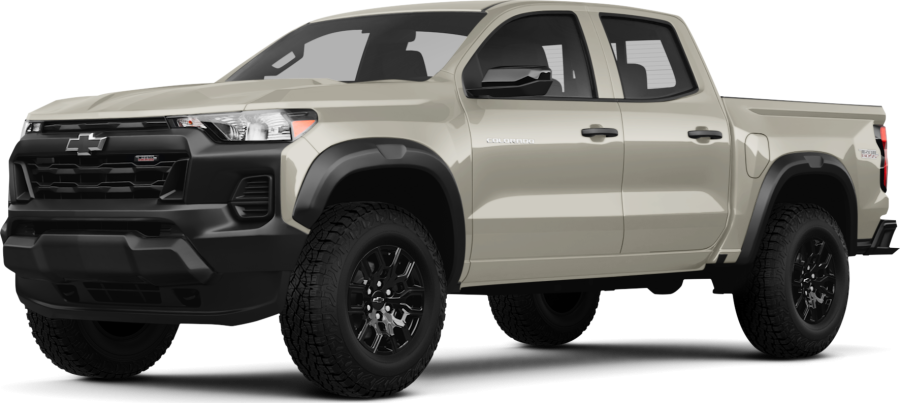
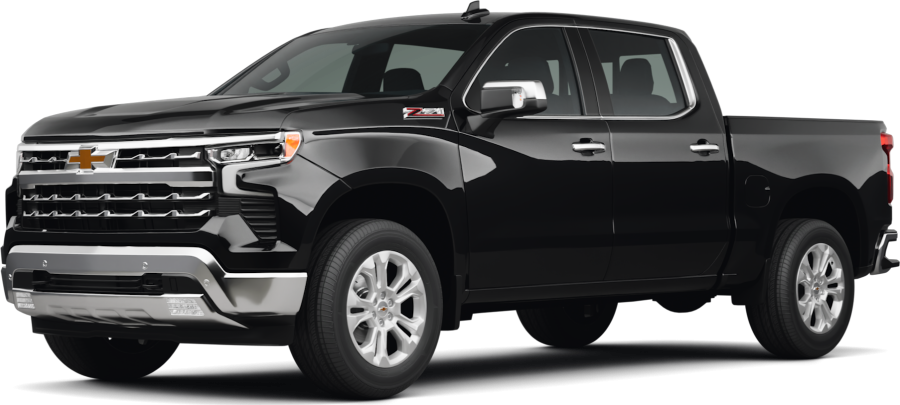
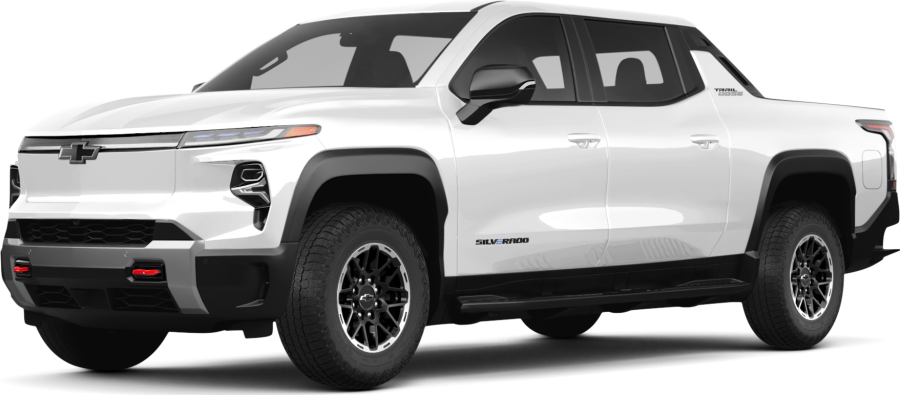
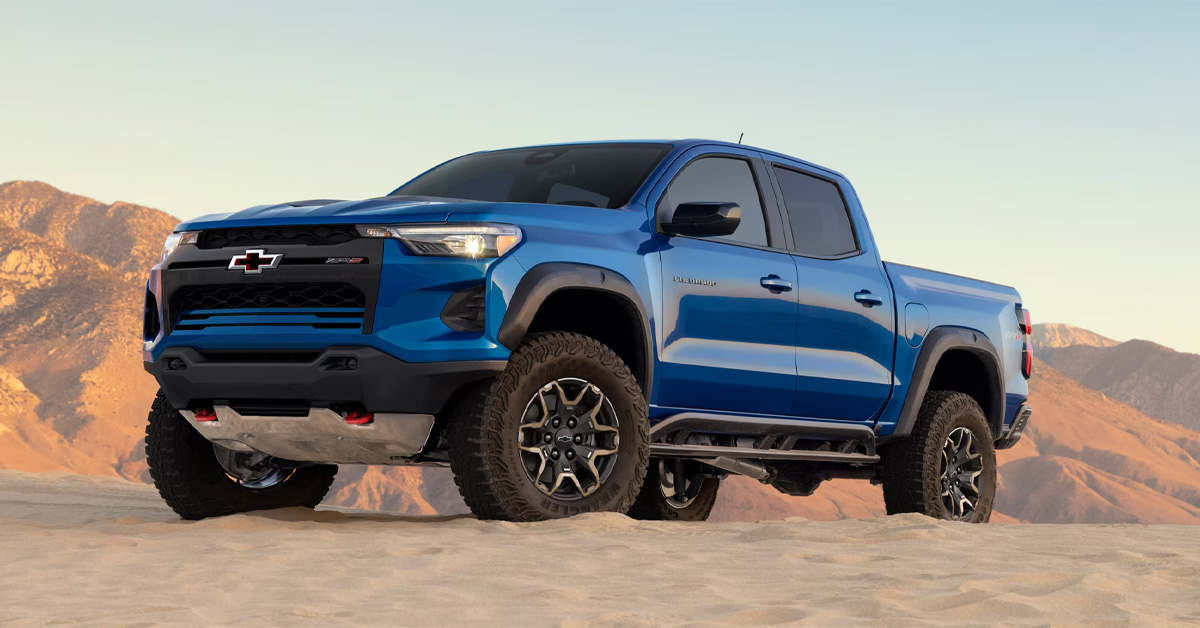
The Chevrolet Silverado 1500 and Chevrolet Colorado are available with 4WD configurations, giving drivers added capability for work and recreation. For Pacific Northwest drivers heading beyond paved roads, that extra traction can make a meaningful difference.
What Are the Main Components of a Chevrolet Four-Wheel-Drive System?
A 4WD system relies on several components working together to move power where it is needed. In a Chevrolet Silverado 1500, these parts help turn a simple drivetrain adjustment into useful traction for demanding conditions.
What Parts Make 4WD Work?
- Transfer case: Splits engine power between the front and rear driveshafts when 4WD is engaged, allowing both axles to receive power.
- Front-axle actuator: Connects or disconnects the front axle based on the selected drive mode.
- Wheel speed sensors: Monitor wheel rotation and can detect differences that indicate tire slip or changing traction.
- Low-range gearing: Available on applicable configurations, low range multiplies torque and provides greater control at slower speeds.
Together, these components help the truck respond to challenging terrain. Low range can be particularly useful when crawling over rocks, climbing steep grades, or working through mud and deep snow. On rough trails, the ability to deliver controlled power at low speeds can be just as important as having plenty of power available.
What Is the Difference Between 4WD and AWD?
The key difference between 4WD vs. AWD comes down to how each system manages traction. Four-wheel drive is typically selectable by the driver. It is designed for situations that demand sustained traction, while all-wheel drive generally works automatically to help maintain grip during everyday driving.
How Do 4WD and AWD Differ?
With 4WD, the driver chooses when to send power to both the front and rear axles. That gives the driver more direct control over the vehicle's drivetrain when conditions call for additional traction.
AWD takes a more automated approach. Its onboard system can adjust torque between the wheels as traction changes, helping maintain grip without requiring the driver to select a 4WD mode.
For example, a Chevrolet Colorado equipped with 4WD gives the driver control over when to engage that capability. AWD is generally designed to provide seamless traction assistance during everyday road driving.
If you're deciding which setup fits your driving needs, our team at Northwest Chevy Dealers can help you compare Chevrolet models and available drivetrain options. Reach out to our team today to find the right combination of capability and everyday comfort.
How Do the Silverado 1500 and Colorado Use 4WD?
The Chevrolet Silverado 1500 and Chevrolet Colorado both offer 4WD configurations that give drivers more control when the road gets challenging. Instead of repeating how the system's components work, the focus here is how that capability fits the role of each truck.
What Does 4WD Add to the Silverado 1500?
Silverado 4WD can be a valuable asset for drivers who regularly tow, haul, or travel across demanding terrain. Selectable drive modes let drivers adjust the truck to changing conditions, while available low-range gearing can provide greater control at slower speeds where applicable.
How Does 4WD Benefit the Colorado?
The Colorado 4WD system brings similar flexibility to a midsize pickup. Its smaller footprint can be useful when navigating narrower trails, while available 4WD capability helps provide added traction when the surface becomes loose, uneven, or difficult to navigate.
Both trucks can be suited to everything from snowy roads to off-road trails, but available equipment, drive modes, and capabilities vary by configuration. Interested in comparing your options? Northwest Chevy Dealers can help you find a Silverado 1500 or Colorado with the 4WD features that fit your driving needs.
When Should You Use Chevy 4WD?
4WD is most useful when road conditions make maintaining traction more difficult. In the Pacific Northwest, that can mean anything from a snowy mountain road to a muddy trail after heavy rain. Around Baker City, OR, changing weather and varied terrain can make selectable 4WD especially useful.
What Conditions Call for 4WD?
Consider switching to 4WD when you encounter:
- Snow-covered roads: Added traction can help when fresh or packed snow makes the surface slippery.
- Loose, muddy surfaces: 4WD can help maintain forward movement when tires encounter mud, gravel, or other loose ground.
- Steep climbs and descents: Additional drivetrain control can be useful when navigating significant elevation changes.
- Rough, uneven ground: Four-wheel drive can provide added capability when a route becomes rocky or heavily rutted.
- Unpaved trails: 4WD can help when driving beyond maintained roads and onto more challenging terrain.
On clear, paved roads, two-wheel drive is generally the better choice for everyday driving. Selecting the appropriate mode for the conditions helps you use the system as intended.
A Chevrolet Silverado 1500 can provide added capability for work and recreation, while the Chevrolet Colorado offers similar flexibility in a midsize package. Northwest Chevy Dealers can help you compare 4WD-equipped Chevrolet trucks and find an option suited to your needs.
What Should You Know Before Using Chevy 4WD?
Having 4WD capability is only part of the equation. Knowing how and when to use the available settings can help you get the most from the system while avoiding unnecessary strain on the drivetrain.
How Can You Use 4WD Properly?
Before heading onto challenging terrain, take a moment to understand your truck's available modes and what each one is designed to do. Keep these points in mind:
- Know your settings: Different configurations can offer different 4WD modes and capabilities, so become familiar with your controls before you need them.
- Match the mode to the conditions: Select the setting that fits the surface and terrain rather than using 4WD automatically.
- Know your vehicle: A Chevrolet truck's capabilities can vary by configuration, so check the owner's manual for specific operating instructions and limitations.
- Remember the difference: 4WD and AWD operate differently. 4WD generally gives the driver more direct control over when additional traction is engaged.
The right setup can make a meaningful difference when your route takes you beyond smooth pavement. If you're shopping for a Chevrolet truck with the capability to match your driving needs, Northwest Chevy Dealers can help you compare available 4WD configurations and find the right fit. Connect with our team to get started.
How does Chevy 4WD work?
Chevy 4WD uses a transfer case to distribute engine power to both the front and rear axles, helping provide additional traction when needed.
When should you use 4WD in a Chevy truck?
You should use 4WD when driving on low-traction surfaces or challenging terrain, such as snow, mud, loose gravel, steep grades, or off-road trails.
What is the difference between part-time and full-time 4WD?
Part-time 4WD requires the driver to engage four-wheel drive when additional traction is needed, while full-time 4WD can continuously power all four wheels without requiring the driver to switch between 2WD and 4WD.
Does 4WD improve traction on snow and gravel?
Yes. 4WD can improve traction on snow and loose gravel by sending power to both the front and rear axles.
Find Your Next Chevy for the Road Ahead
Understanding how 4WD works can help you choose a truck that matches the roads, trails, and conditions you encounter. If you're in Baker City, OR, Northwest Chevy Dealers can help you compare our wide selection of Chevrolet vehicles, including the Chevrolet Silverado 1500 and Chevrolet Colorado. Connect with our team for assistance finding a model and configuration that fits your needs.
Planning your next Pacific Northwest adventure? Our trip ideas in Gladstone can help you find inspiration for your next local getaway. Heading toward the coast? Check out our trip ideas in Warrenton for ideas farther west. If you're staying closer to the Portland area, our trip ideas in Hillsboro can help you plan your next outing.
Ready to find your next Chevrolet? Connect with Northwest Chevy Dealers to learn more about available vehicles, 4WD configurations, sales, service, parts, and other automotive needs.
Contact Northwest Chevy Dealers
Disclaimer: All information is provided for general informational and entertainment purposes only. While we strive for accuracy, we cannot guarantee that all content is complete, current, or error-free. Any reliance you place on such information is strictly at your own risk. This article may include opinions and is not endorsed by, or officially affiliated with, any vehicle manufacturer or brand. Always consult official sources – such as the vehicle’s owner’s manual, authorized dealerships, or certified professionals – for the most up-to-date and personalized information.